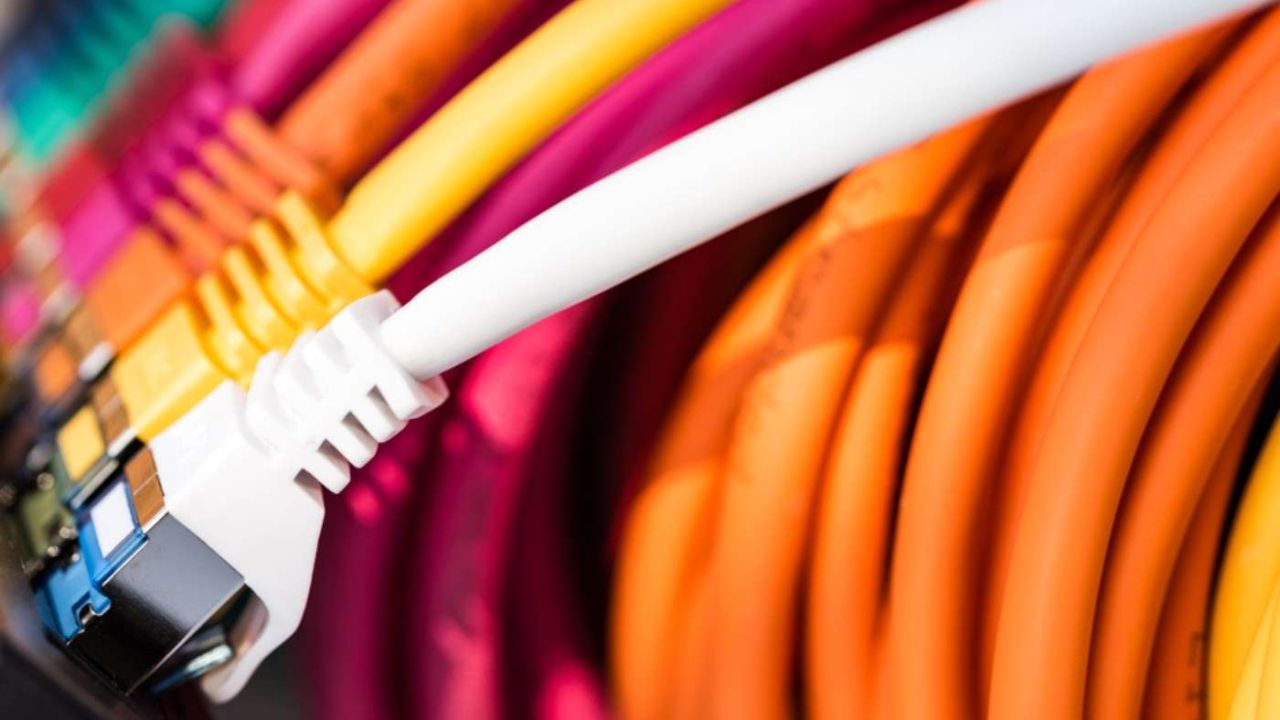
Clean cable management in the working conditions of modern industries, commercial, and electronic systems is not only a matter of taste but also a matter of utility. Poor routing of cables or a lack of cable security limits airflow, makes it difficult to maintain the cables, and increases the chance of equipment failure. The need to have an organization in the internal layout is ever-increasing as the machinery, server racks, control panels, and architectural installations are getting smaller and more advanced. Custom bracket fabrication is important to provide orderly, secure, and aesthetically pleasing cable management designs, which provide high performance and reliability.
The Limitations of Off-the-Shelf Hardware
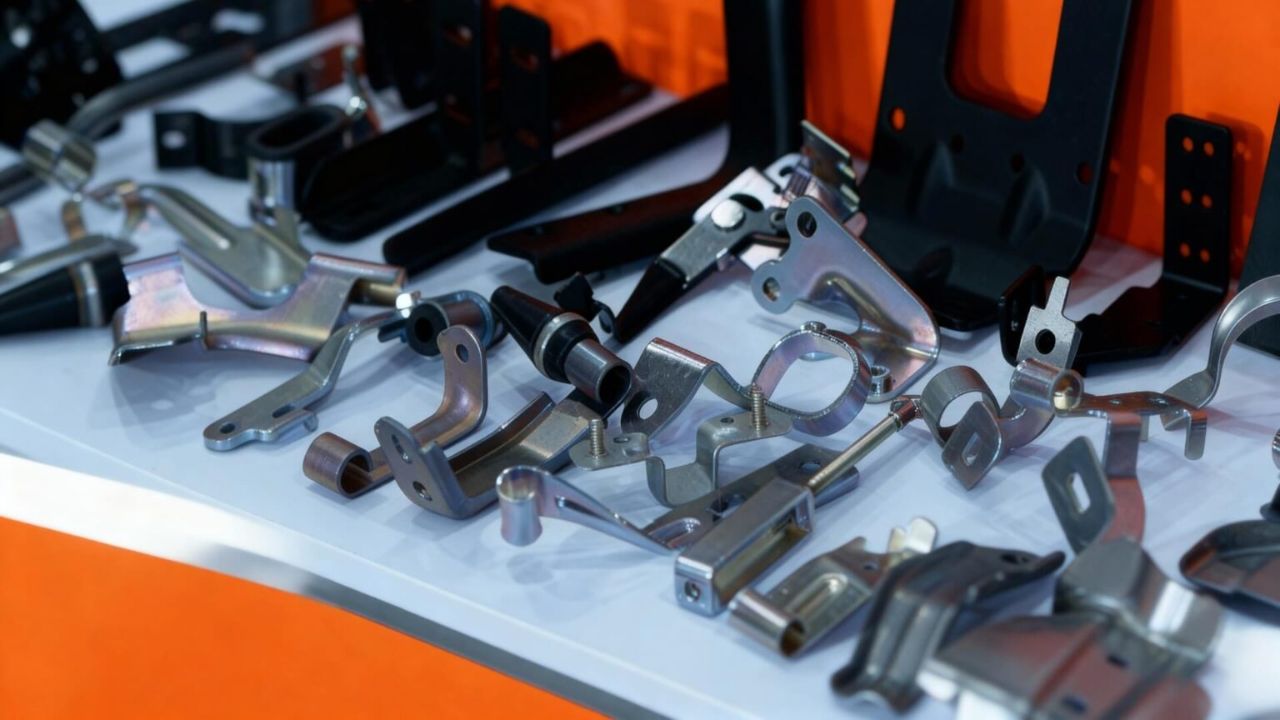
A typical cable clip and general mounting solutions frequently do not accommodate the special space requirements of the sophisticated equipment enclosures. Brackets sold off the shelf are generally generic in application, which makes the engineer adapt his/her design to the predetermined shapes and patterns of holes. Such a compromise may result in ineffective utilization of space, bending of unnecessary cables, and messy designs. Custom-fabricated brackets, in contrast, are designed based on the specific geometry of the product. They align the dimensions, mounting points, and load requirements to ensure that they are exactly aligned to avoid the process of routing long-run cables and form planned routes of cable channels within their design.
Precision Fit for Complex Geometries
Contemporary systems are often made of layered components, offset panels, and narrow clearances. Such environments need to be managed by clean cables with supports that are incorporated and merge well with the assembly. L-shaped or Z-profile or U-channel or hat-shaped custom brackets can be made to fit along certain lines and even the spacing between cables and other structural components. This fine degree of accuracy permits cables to be installed in specific routes, avoiding the chances of becoming entangled and causing interference with the moving components or heat-producing components.
Improving Airflow and Thermal Performance
Proper cable control directly affects the air in enclosures. Unbundled extra cables may pose a barrier to ventilation routes and entrap heat on delicate electronic assemblies. Custom brackets assist clean design by bringing cable runs out of airflow paths or by providing openings in which to route. As an example, raised or stepped profiles of brackets can be used to contain wiring directly overhead of a base panel so that there is free circulation of air beneath. This is an organized separation in high-performance electronics and industrial automation systems, which leads to a higher cooling efficiency and higher component life.
Enhancing Structural Stability and Safety
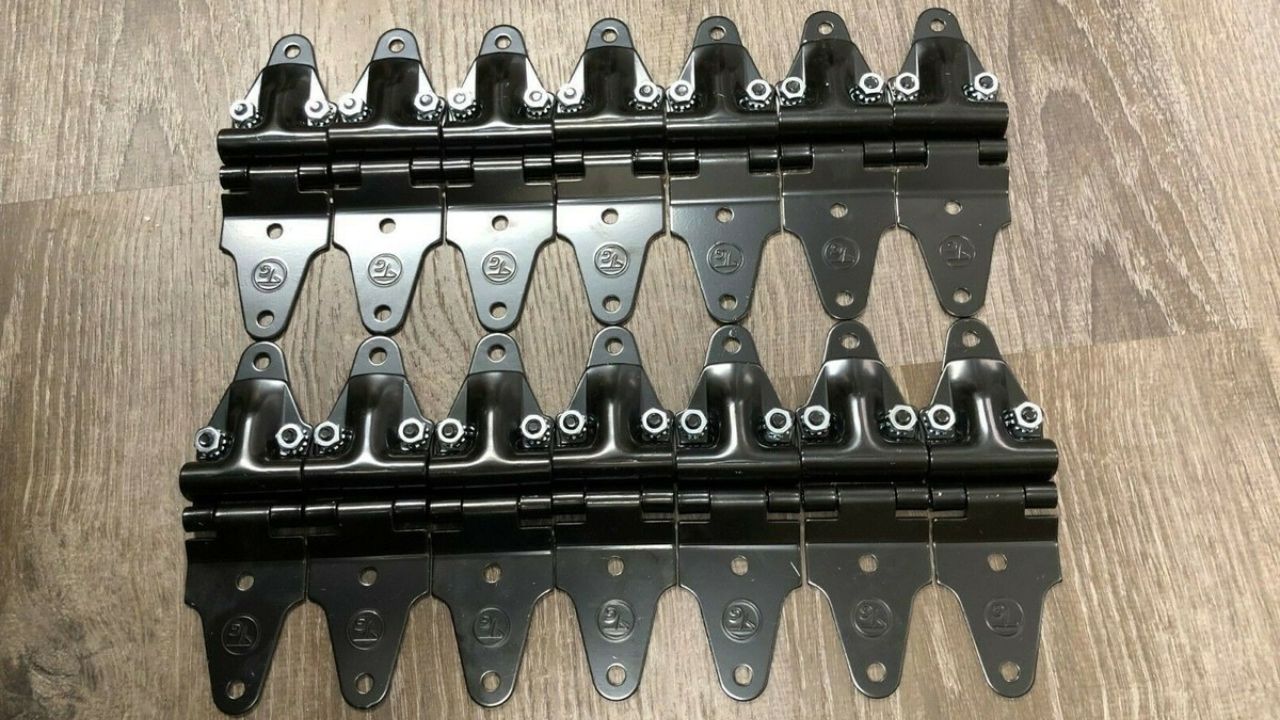
Hanging cables that carry their own weight or are full of slackness on the long runs are subject to strain and wear. Connection loosening may be further worsened by vibrations caused by motors or machinery. Special metal brackets offer solid anchor positions that hold cables at key positions, reducing connectors and terminal stress. Gusseted or gusseted-ribbed reinforced brackets provide more stability in high-vibration applications. These brackets shield the insulation of cables against abrasion and also minimize the possibility of electrical faults due to movement or stress.
Streamlining Installation and Maintenance
Clean cable management does not simply have to be focused on final appearance, but also long-term serviceability. Technicians should be in a position to trace, replace, or upgrade wiring without disassembling complete assemblies. The features that may be added to the custom brackets, to make the installation easier. Identification and access are quicker and safer when cables are run in well-established bracket paths. This is an organization that has gone a long way to minimize downtime during the process of maintenance and has provided the organization with a chance to implement future changes efficiently.
Scalability from Prototype to Production
Cable management needs can also vary as products turn into a concept, then mass production. Custom bracket solutions enable the engineers to optimize routing plans in prototyping and then scale efficiently in high volumes. The production processes of laser cutting, CNC bending, and stamping allow the optimization of designs to be repeated with consistency. The scalability guarantees that clean cable management practices are upheld in all the production batches, including small pilot production and large-scale distribution.
Conclusion
The clean cable management designs that have been adopted in the current compact and performance-oriented systems depend on custom brackets. They will make cable routing no longer an afterthought but rather a design element by providing a high level of precise fit, better airflow, structural stability, easier maintenance, and better aesthetics. Rather than bending cables to suit the generic hardware, engineers can depend on custom-imprinted brackets to develop orderly, productive, and professional assemblies that reach the utmost functionality and aesthetic appeal.