Modern manufacturing, energy control, and infrastructure are based on industrial control systems. In the capacity of industries to achieve increased efficiency, reliability, and safety, relays have been considered an important part in the smooth and automated operation of the system. The relay is intended to protect the equipment, increase the level of safety in the operations, and provide a high level of control in the complex industrial settings by acting as an intelligent switching device.
The Relativeness of Relays in Industrial Control
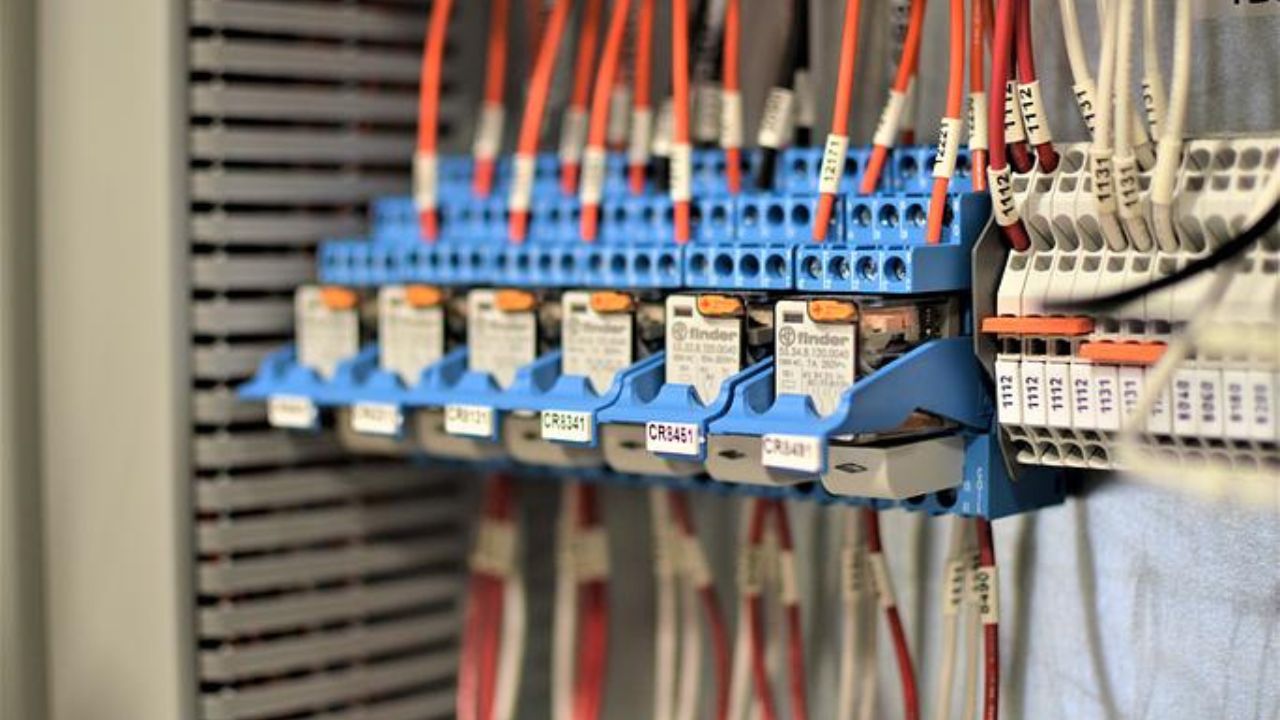
A relay is an electrically operated switch that connects or breaks a circuit based on an electrical signal from a different circuit. The relays are used in industrial control systems to drive the high-power equipment, such as motors, heaters, solenoids, and lighting systems, and are driven by the low-power signals in control panels, sensors, or programmable logic controllers (PLCs).
This isolation of power and control circuits is necessary. It enables the use of sensitive control elements, which can safely work without being subjected to high voltages or currents, thus greatly minimizing the chances of damage and other failures.
Electrical Safety in Industry Enhancement
One of the most significant benefits that relays have to industrial systems is the aspect of safety. Relays isolate power loads and their control signals to keep operators and equipment out of the reach of electric currents. Relays are able to instantly cut off the circuit in case of any abnormal conditions, i.e., overloads, short circuits, and fluctuations in voltages.
Protective relays are common in power distribution systems and in systems controlling motors to identify abnormal conditions and initiate protective measures. This fast reaction prevents fire, burnout of the equipment, and hazardous conditions of operation. Whether it is a chemical plant, mining establishment, or any other hazardous place, relays are important in maintaining a high safety standard.
Advancing Process Control and Automation
Industrial automation uses relays as its basic units. They enable machines and systems to be automatic in their operation, according to pre-established conditions, without manual intervention. Relays, when used along with sensors, timers, and PLCs, allow controlling sequential operations and interlocking functions, as well as emergency shutdown procedures, accurately.
In automated production lines, relays are used so that machines are working in the right sequence and are operating in safe conditions. As an example, a motor can be started only with the help of the safety guards in case a relay is not started. This ability to control logically enhances production efficiency and reduces human error.
Assistance in the Reliable System Operation
In an industrial environment, reliability is of great importance because downtime can cause huge losses of money. Relays are made to be highly reliable and have a long life even when subjected to rigorous conditions such as vibration, temperature fluctuations, and electric stress.
Industrial-type relays are highly tested in order to maintain a steady performance throughout millions of switching cycles. They have a strong construction that enables them to sustain stable operation of the system and minimize the maintenance needs. Consequently, the relays will increase the uptime of the system and enhance the continuity of operations.
Scalability and Flexibility of Industrial Design
Relays provide scalability and flexibility, which enable engineers to create scalable and flexible control systems. They may be easily incorporated into new installations or be fitted into previous systems without redesigning the systems considerably. This renders the use of relays appropriate in increasing the production level or advancing the level of automation.
Relays come in a wide variety of types and varieties, including general-purpose relays, time delay relays, safety relays, and solid-state relays, and there is a wide range of different types and variants of relays, which enables industrial systems to be application specific. This is flexible to numerous industries that are manufacturing, energy, transportation, and automation of buildings.
Enabling Energy-Saving and Equipment Safety
The other service that relay can give to energy efficiency is the fact that only the equipment is turned on when required. Automatic relay control removes unnecessary electrical power consumption and reduces the wear of the electrical parts. The relays may be applied to manage the level of energy consumed in an industrial plant by turning on or off the motors, lights, and heating systems based on the current state of affairs.
Also, relays ensure the safety of expensive equipment by stopping inappropriate functioning. As an example, motor protection relays have the ability to sense uncharacteristic current or temperature conditions and open the motor prior to irreversible damage. This prevents maintenance and will increase equipment life and reduce replacement expenses.
Conclusion
Relays cannot be done without enhancing the safety and automation of industrial control systems. They are used to develop safer working conditions and more efficient operation by means of electrical isolation, fault protection, safe switching, and intelligent control. The relays will be a stable technology as industries seek to achieve greater automation and smarter infrastructure to achieve safer, reliable, and scalable industrial control solutions.