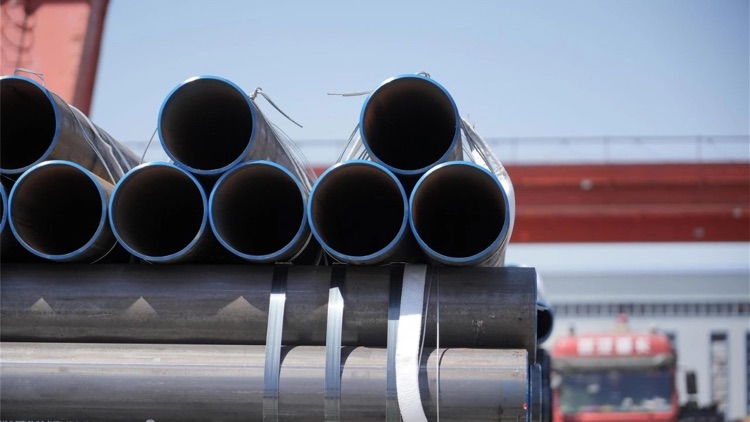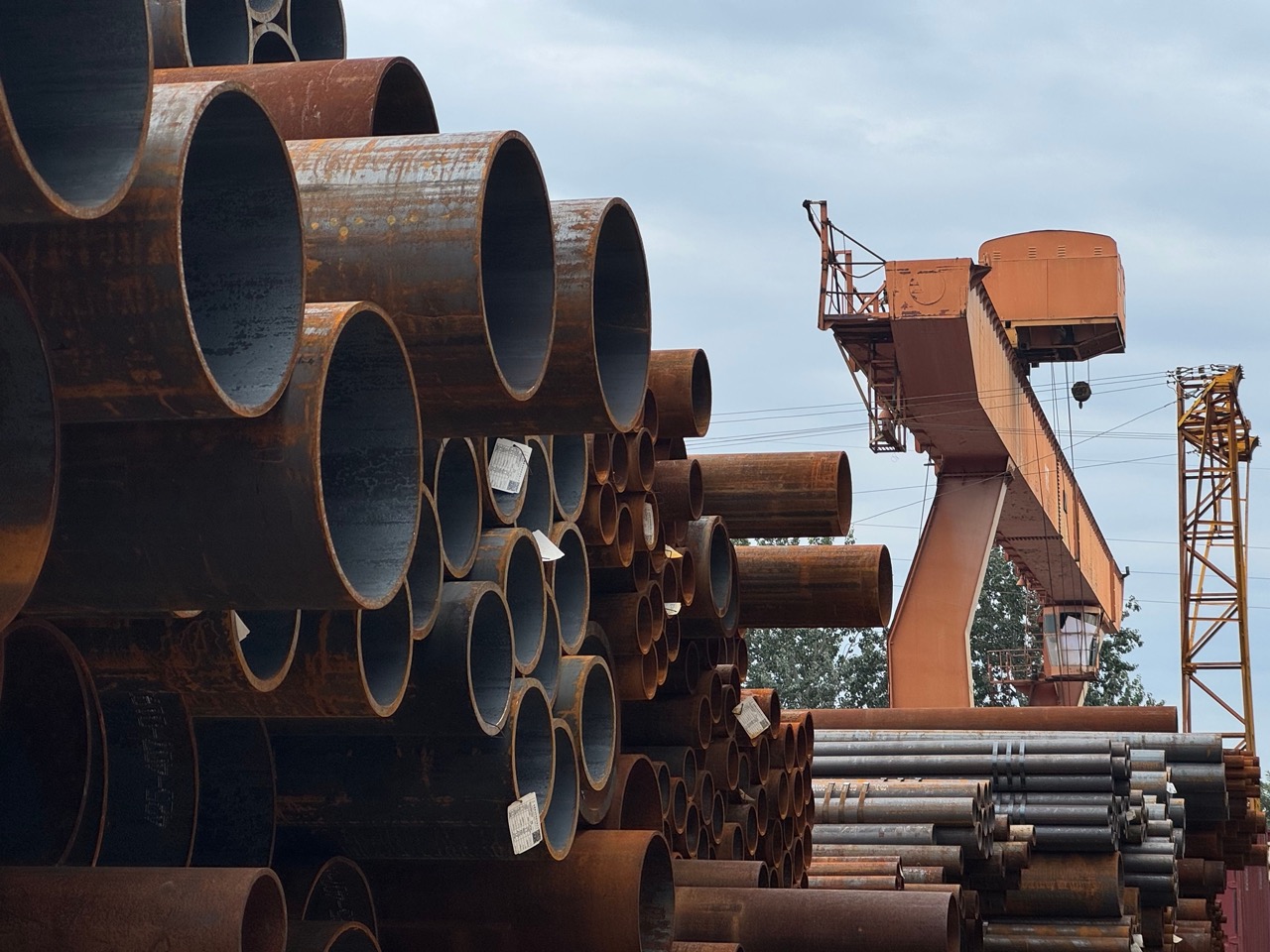
Walk through most industrial facilities and you’ll find two pipe schedules doing the majority of the work: Schedule 40 and Schedule 80. They’re made from the same materials, available in the same sizes, and built to the same dimensional standards. The difference is wall thickness — and that single difference drives everything else about when each one gets specified.
Here’s a plain-language explanation of what Schedule 80 actually is, how it compares to Schedule 40, and how to know which one your application needs.
What “Schedule” Means
Pipe schedule is a standardized designation for wall thickness. For a given nominal pipe size (NPS), a higher schedule number means a thicker wall. That’s the whole concept.
The schedule system was developed so that pipe from different manufacturers would be dimensionally interchangeable — the same NPS and schedule from any compliant supplier would have the same outside diameter and wall thickness, and would fit the same fittings and flanges.
For any given NPS, the outside diameter is fixed regardless of schedule. What changes with schedule is the wall thickness, which in turn changes the inside diameter, the weight per foot, and the pressure rating. Schedule 80 pipe has a thicker wall than Schedule 40 of the same nominal size, a smaller inside diameter, more weight, and a higher pressure rating.
The Numbers: How Much Thicker Is Schedule 80?
The difference between Schedule 40 and Schedule 80 wall thickness varies by pipe size, but as a rough guide it’s typically 40–50% more wall in Schedule 80.
A few examples for carbon steel:
- NPS 1 inch: Sch 40 wall = 0.133 in / Sch 80 wall = 0.179 in
- NPS 2 inch: Sch 40 wall = 0.154 in / Sch 80 wall = 0.218 in
- NPS 4 inch: Sch 40 wall = 0.237 in / Sch 80 wall = 0.337 in
- NPS 6 inch: Sch 40 wall = 0.280 in / Sch 80 wall = 0.432 in
The thicker wall translates directly to higher burst pressure and working pressure ratings — which is why Schedule 80 gets called out when pressure is the design driver.
What the Higher Pressure Rating Means in Practice
The pressure rating of pipe is calculated from the wall thickness, outside diameter, and material yield strength using the applicable design code formula. Because Schedule 80 has more wall, it can handle higher internal pressure at the same temperature and material grade.
For applications operating near the pressure limits of Schedule 40, or for systems where a safety margin above Schedule 40’s rating is required by the design code, Schedule 80 is the natural step up. Steam systems at higher pressures, hydraulic lines, compressed air systems at elevated pressure, and chemical process lines where design pressure exceeds what Schedule 40 can accommodate are all common use cases.
The thicker wall also provides more corrosion allowance — the amount of metal that can corrode away before the remaining wall thickness drops below the minimum required for pressure containment. In environments where moderate corrosion is expected, Schedule 80 extends service life compared to Schedule 40 without requiring a different material.
When Schedule 80 Is the Right Choice
Schedule 80 Steel Pipe gets specified in a few consistent situations:
Higher operating pressure. When system design pressure exceeds the rating of Schedule 40 at the operating temperature, Schedule 80 is the standard next step. This is the most common reason for the specification.
Code requirements. Some piping codes and facility standards require Schedule 80 in specific service classes regardless of whether Schedule 40’s pressure rating is technically adequate. Fire protection piping, certain chemical service lines, and systems in regulated industries sometimes have mandatory minimum schedule requirements.
Corrosion allowance. Where moderate internal or external corrosion is expected over the design life of the system, the extra wall thickness of Schedule 80 provides a buffer that extends inspection intervals and overall service life.
Mechanical protection. In locations where pipe is exposed to mechanical damage risk — above-grade runs in industrial areas, pipe in contact with soil in congested areas, locations subject to impact — the heavier wall of Schedule 80 provides better resistance to damage.
Threading. Threaded joints in steel pipe require sufficient wall thickness to accommodate the thread without reducing the remaining wall below the pressure-bearing minimum. Schedule 40 is adequate for threading in most sizes, but Schedule 80 is sometimes preferred for threaded connections where additional wall margin is wanted, particularly in smaller sizes.
When Schedule 40 Is Enough
Schedule 80 costs more — more material, more weight to handle and support, and higher shipping cost per foot. For applications where Schedule 40’s pressure rating is adequate and there’s no corrosion allowance or code requirement driving a heavier wall, specifying Schedule 80 adds cost without adding performance.
The selection should follow the design requirement. Calculate the required wall thickness from the design pressure, temperature, material grade, and applicable code. Add the corrosion allowance. Check whether Schedule 40 meets the result. If it does, Schedule 40 is the right choice. If it doesn’t, Schedule 80 is the next standard option to evaluate.
What to Confirm When Ordering
When ordering Schedule 80 pipe, confirm the material standard (A53, A106, API 5L, etc.), the grade (Grade A, Grade B, etc.), and the end finish (plain end, beveled, threaded and coupled). For threaded Schedule 80, confirm the thread standard — NPT is most common for carbon steel.
Make sure mill certificates include the actual wall thickness measurements and confirm they meet the Schedule 80 minimum. Wall thickness tolerance is permitted to run slightly below nominal under the applicable standard, and for high-pressure applications it’s worth confirming the actual measured wall rather than assuming nominal.
The schedule designation is a starting point. Confirming that the pipe you receive actually meets the dimensional requirements is the step that closes the loop between specification and what goes into the system.